Core electronic components that convert input electrical energy into stable voltage/current required by devices. Common types include AC-DC, DC-DC, and DC-AC converters. Their core function is to process power through circuits such as rectification, filtering, and voltage regulation, eliminating grid fluctuations and noise interference, and providing clean power for communication equipment, industrial control systems, medical devices, and consumer electronics. Modern power modules employ high-frequency switching technology, achieving conversion efficiency of over 95%, and integrate multiple protection mechanisms such as overvoltage, overcurrent, and short-circuit protection. They can operate in a wide temperature range from -40°C to +85°C. The modular design significantly simplifies system integration, supports plug-and-play, and with smart control interfaces, enables remote monitoring and dynamic voltage adjustment. They are widely used in new energy, 5G base stations, and IoT applications.
- Power Modules
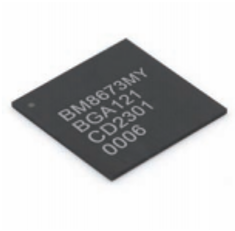
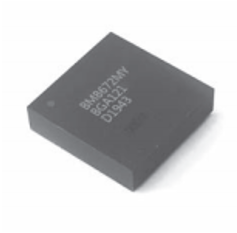
- Power Module Categories
| Category | Name | Description |
| AC/DC Power Modules | Function | Convert alternating current (AC) to direct current (DC), providing stable DC output. |
| Applications | Mobile phone chargers, laptop power adapters, industrial equipment power supply. | |
| DC/DC Power Modules | Function | Convert DC to another voltage level, including step-down (Buck), step-up (Boost), etc. |
| Applications | Smartphone battery boosting, server motherboard voltage conversion, automotive electronics (e.g., car light power supply). | |
| AC/AC Power Modules | Function | Directly convert AC voltage or frequency without a DC intermediate stage. |
| Applications | Variable-frequency air conditioners, industrial motor speed control, stage lighting dimming. | |
| Isolated Power Modules | Function | Provide electrical isolation between input and output using transformers, enhancing safety and noise immunity. |
| Applications | Medical devices (e.g., monitors), power systems (preventing high-voltage interference), outdoor electronic equipment. | |
| Non-Isolated Power Modules | Function | Input and output share a common ground, with simple structure and low cost. |
| Applications | Consumer electronics (e.g., smart speakers), LED lighting drivers, small household appliances. | |
| Linear Regulator (LDO) Modules | Function | Adjust output voltage linearly, with low ripple and noise. |
| Applications | Mobile phone baseband chip power supply, high-precision sensor power. | |
| Switching Power Modules | Function | Achieve high-efficiency power conversion through high-frequency switching circuits, with efficiency exceeding 90%. |
| Applications | Server power supplies, electric vehicle charging stations, photovoltaic inverters. | |
| Redundant Power Modules | Function | Multiple power modules supply power in parallel, maintaining system operation even if one fails. |
| Applications | Data centers, aerospace (e.g., aircraft control systems), medical life-support equipment. | |
| Special Power Modules | Function | Meet special requirements such as high voltage, high current, or ultra-compact size. |
| Applications | Laser equipment (high-voltage power), wearable devices (miniature power), satellite communication. |